Table of Contents
If you’ve spent any time browsing a dispensary menu, you’ve likely noticed two terms popping up again and again: live resin and rosin. Both are premium cannabis concentrates prized for their potency and flavor, yet many shoppers still aren’t sure about the actual difference between live resin and rosin. Understanding this distinction matters because it directly affects the taste, potency, texture, and overall experience you get from your concentrate.
In this guide, we’ll break down exactly how live resin and rosin are made, what sets them apart, and which one might be the better fit for your needs. Along the way, we’ll also cover a foundational question many newcomers ask: what are cannabinoids, and why do they matter so much when choosing a concentrate?
What Is Live Resin?
Live resin is a cannabis concentrate made from plant material that is flash-frozen immediately after harvest, rather than dried and cured first. This fresh-frozen approach helps preserve the plant’s original terpene and cannabinoid profile, resulting in a concentrate known for its vivid aroma and flavor.
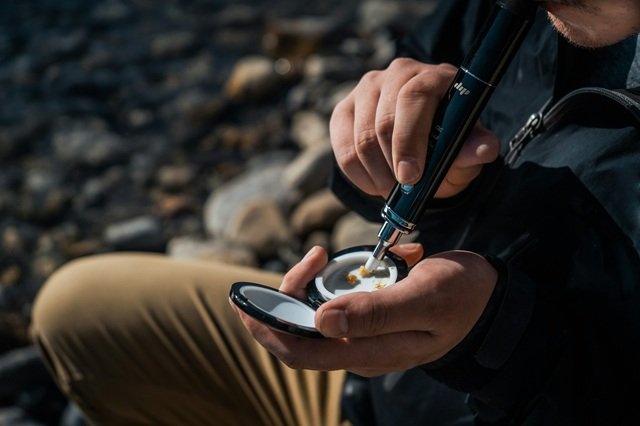
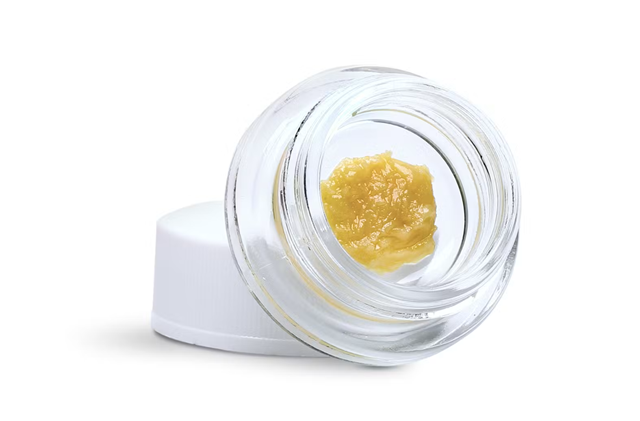
Live resin is typically produced using solvents such as butane or propane, which strip the cannabinoids and terpenes from the frozen plant material. The result is a sticky, often sauce-like or badder-like extract that many enthusiasts consider one of the most flavorful concentrates available.
Key Characteristics of Live Resin
- Made from fresh-frozen cannabis (not dried or cured)
- Typically extracted using solvents
- Known for bold, terpene-rich flavor profiles
- Available in textures like sauce, badder, or diamonds
- Popular among flavor-focused and experienced consumers
What Is Rosin?
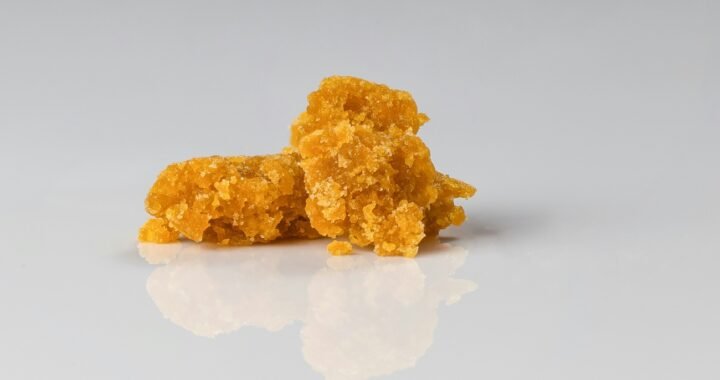
Rosin, on the other hand, is a solventless concentrate. Instead of using chemical solvents, producers apply heat and pressure directly to cannabis flower, kief, or hash to squeeze out the resinous oils. Because no solvents are involved, rosin is often marketed as a “cleaner” extraction method, appealing to consumers who prefer a more natural process from start to finish.
Rosin can be made from dried and cured flower or from fresh-frozen material (commonly called “live rosin”), which blurs the line between the two categories slightly — more on that below.
Key Characteristics of Rosin
- Made using heat and pressure, no solvents required
- Can be produced from flower, kief, or hash
- Texture ranges from shatter-like to buttery
- Appeals to consumers seeking solventless purity
- Often associated with a smoother, well-rounded profile
Difference Between Live Resin and Rosin: Side-by-Side Comparison
The clearest way to understand the difference between live resin and rosin is to compare them directly across the factors that matter most to consumers.
| Feature | Live Resin | Rosin |
|---|---|---|
| Extraction Method | Solvent-based (butane/propane) | Solventless (heat + pressure) |
| Starting Material | Fresh-frozen cannabis | Flower, kief, hash, or fresh-frozen material |
| Flavor Profile | Bold, terpene-forward | Smooth, well-rounded |
| Texture | Sauce, badder, diamonds | Shatter-like, buttery, or stable |
| Perceived Purity | High, but solvent residue possible | Considered naturally “cleaner” |
| Typical Potency | High | High |
| Best For | Flavor chasers, experienced users | Purity-focused, solventless preference |
A related product worth mentioning is live rosin, which combines both techniques — it uses fresh-frozen starting material like live resin, but is extracted with heat and pressure like traditional rosin. This hybrid approach often delivers the best of both worlds: strong flavor retention without solvents.
What Are Cannabinoids and Why Do They Matter?
To fully appreciate either concentrate, it helps to understand what cannabinoids are in the first place. Cannabinoids are naturally occurring compounds found in the cannabis plant that interact with the body’s endocannabinoid system. This system plays a role in regulating mood, appetite, sleep, and overall balance.
The two most well-known cannabinoids are THC and CBD, but cannabis contains dozens of others, including CBG, CBN, and CBC. When you choose a concentrate like live resin or rosin, you’re not just selecting a texture or flavor — you’re also selecting a concentrated cannabinoid and terpene profile that shapes the overall effect and experience.
Because concentrates preserve more of the plant’s original compounds than many other product forms, they’re often favored by consumers who want a fuller, more nuanced cannabinoid experience.
Benefits of Choosing Premium Concentrates
Whether you lean toward live resin or rosin, high-quality concentrates offer real advantages over standard flower or lower-grade extracts:
- Enhanced Flavor – Preserved terpenes deliver a richer, more authentic taste.
- Higher Potency – Concentrates typically offer stronger cannabinoid density per gram.
- Efficient Consumption – A little goes a long way, making concentrates cost-effective for frequent users.
- Product Variety – From badder to shatter, there’s a texture and format for every preference.
- Transparency – Reputable brands provide lab testing so you know exactly what you’re getting.
Live Resin vs. Rosin: Which One Is Right for You?
There’s no universal “better” option — the right choice depends on your priorities. If bold, terpene-driven flavor is your top concern, live resin is likely your best bet. If you prioritize a solventless process and a naturally clean extraction, rosin may be the better fit. And if you want a bit of both, live rosin offers a compelling middle ground.

FAQ’S | Difference Between Live Resin and Rosin: A Complete Guide
Is rosin stronger than live resin?
Potency varies by product and starting material rather than extraction method alone, so both can be equally potent depending on quality and sourcing.
Is live resin or rosin better for flavor?
Live resin is typically favored for bold, terpene-rich flavor, while rosin offers a smoother, more balanced taste.
Are live resin and rosin safe to consume?
When purchased from a licensed, lab-tested source, both are considered safe for their intended use; always check for third-party lab results.
Do I need a medical card to purchase recreational products?
For recreational purchases, there is no med card needed! You just need a valid ID showing that you are over 21+ years old, just like purchasing alcohol.
Why might Michigan consumers choose medical marijuana over pharmaceuticals?
As more states legalize cannabis, more people use marijuana instead of prescription drugs. Studies report that CBD benefits include relief from insomnia, anxiety, spasticity, pain, epilepsy, and other conditions.
It’s also seen as an alternative to NSAIDs (like Advil or Aleve) for people with kidney problems, ulcers, or GERD. Unlike many pharmaceuticals, patients claim medical marijuana allows them to resume daily activities without feeling disengaged or “out of it.”