Table of Contents
Live resin and rosin are both cannabis concentrates, but they are produced differently. Live resin is generally made from fresh-frozen cannabis using a solvent-based extraction process, while rosin is made with heat and pressure without hydrocarbon solvents.
Neither option is automatically stronger or better. Potency, flavor, aroma, texture, and overall quality vary between products and batches. This guide explains the difference between live resin and rosin so adult consumers can compare their extraction methods, starting materials, and product characteristics before making a purchase.
What Is Live Resin?
Live resin is a cannabis concentrate generally made from plant material that is frozen shortly after harvest instead of being dried and cured first. Freezing the material helps processors retain more of the volatile aromatic compounds present at harvest.
Production usually involves hydrocarbon extraction with solvents such as butane or propane in specialized equipment. The solvents are then removed during processing, and regulated products must meet applicable testing requirements before sale.
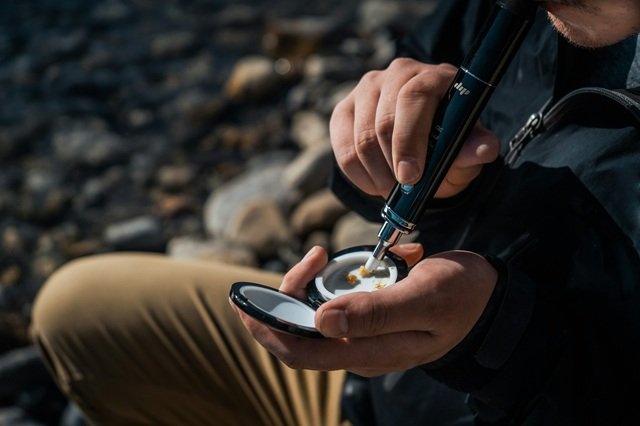
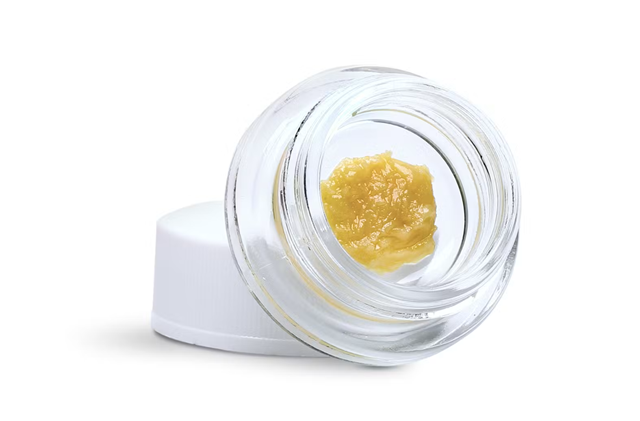
Live resin can appear in different textures, including sauce, badder, sugar, and diamonds. Its aroma, flavor, cannabinoid content, and consistency vary according to the cultivar, starting material, extraction process, and final formulation.
Key Characteristics of Live Resin
- Usually made from fresh-frozen cannabis.
- Commonly produced through hydrocarbon extraction.
- Often selected for its terpene-forward aroma and flavor.
- Available in several textures and product formats.
- Potency and composition vary between products and batches.
What Is Rosin?
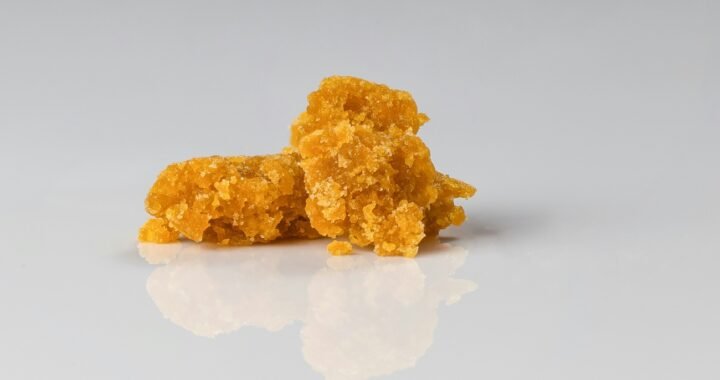
Rosin is a cannabis concentrate made by applying controlled heat and pressure to cannabis flower, kief, or hash. This process separates resinous material without using hydrocarbon solvents during pressing.
Rosin made from dried flower is commonly called flower rosin. Hash rosin is pressed from concentrated trichomes, while live rosin is generally produced from fresh-frozen cannabis that is first processed into ice-water hash and then pressed.
The term “solventless” describes the extraction method. It does not automatically mean that every rosin product is safer, purer, stronger, or higher quality than other regulated concentrates.
Key Characteristics of Rosin
Flavor, texture, potency, and quality vary by product.
Produced using heat and pressure.
Does not require hydrocarbon solvents during pressing.
Can be made from flower, kief, or hash.
Live rosin begins with fresh-frozen cannabis.
Difference Between Live Resin and Rosin: Side-by-Side Comparison
The clearest way to understand the difference between live resin and rosin is to compare their production methods, starting materials, and common product characteristics.
| Feature | Live Resin | Rosin |
|---|---|---|
| Extraction method | Generally produced with hydrocarbon solvents such as butane or propane | Produced with heat and pressure without hydrocarbon solvents |
| Starting material | Fresh-frozen cannabis | Flower, kief, hash, or hash made from fresh-frozen cannabis |
| Common varieties | Sauce, badder, sugar, and diamonds | Flower rosin, hash rosin, and live rosin |
| Aroma and flavor | Often terpene-forward because of the fresh-frozen material | Varies by starting material; live rosin may retain a pronounced terpene profile |
| Texture | Can be saucy, crystalline, sugary, or batter-like | Can be sap-like, buttery, batter-like, or more stable |
| Potency | Varies by product and batch | Varies by product and batch |
| Main consideration | Fresh-frozen material and solvent-based extraction | Solventless pressing method and choice of starting material |
Live rosin is made from fresh-frozen cannabis, like live resin, but follows a different production process. The frozen material is generally processed into ice-water hash before heat and pressure are used to produce the final concentrate.
Neither extraction category is automatically safer, purer, stronger, or more flavorful. Consumers should compare the product label, cannabinoid content, testing information, ingredients, and recommended serving size.
Cannabinoids, Terpenes, and Potency
Live resin and rosin contain concentrated cannabinoids and terpenes. THC is the primary intoxicating cannabinoid in most recreational concentrates, while terpenes contribute to a product’s aroma and flavor.
Cannabinoid and terpene levels vary by cultivar, starting material, production method, and batch. A higher THC percentage does not automatically mean that a product offers better quality, flavor, or a more suitable experience.
Because concentrates commonly contain more THC by weight than cannabis flower, consumers should review the product label and serving information before use.
What to Check Before Buying a Cannabis Concentrate
When comparing live resin and rosin, consider the specific product rather than relying only on the category name:
- Extraction method and starting material.
- THC, CBD, and other cannabinoid concentrations.
- Available terpene information.
- Ingredients or additives listed on the package.
- Product texture and intended method of consumption.
- Testing, packaging, and expiration information.
- Recommended serving size.
Purchase cannabis concentrates only from licensed retailers. New consumers should begin with a small amount, allow time to understand the effects, and avoid driving or operating machinery after use.
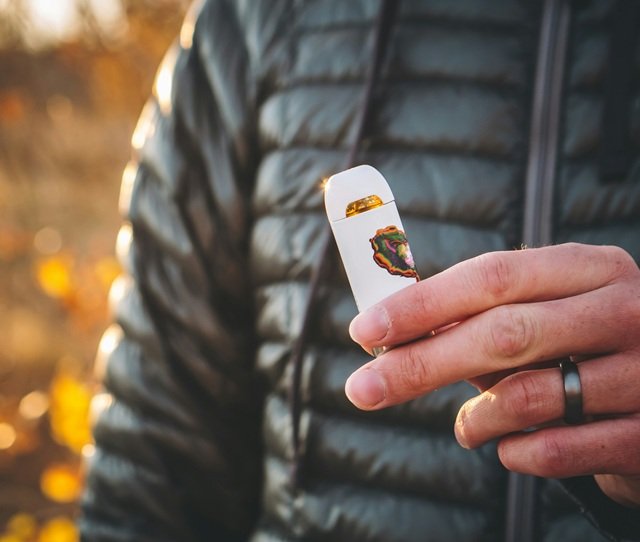
Live Resin vs. Rosin: Which One Is Right for You?
The better option depends on the characteristics you value and the specific products available.
Live resin may appeal to consumers interested in fresh-frozen cannabis, terpene-forward profiles, and textures such as sauce, sugar, badder, or diamonds.
Rosin may appeal to consumers who prioritize a solventless pressing method. Flower rosin, hash rosin, and live rosin can offer different textures and flavor profiles depending on their starting material.
Live rosin combines fresh-frozen starting material with solventless processing. However, it is not automatically stronger, safer, or better than live resin.
Before choosing, compare cannabinoid and terpene information, extraction method, starting material, texture, serving information, testing, price, and availability.
Conclusion: Choosing Between Live Resin and Rosin
The main difference between live resin and rosin is how they are made. Live resin generally uses fresh-frozen cannabis and hydrocarbon extraction, while rosin uses heat and pressure without hydrocarbon solvents.
Both categories can vary significantly in potency, aroma, flavor, texture, and quality. Rather than assuming one is universally better, compare individual product labels and choose according to your preferences and experience.
Frequently Asked Questions About Live Resin and Rosin
Ready to compare current options? Browse the Vibe menu and select your preferred Michigan location.
Is rosin stronger than live resin?
Not necessarily. Potency depends on the starting material, production process, formulation, and individual product. Compare the cannabinoid information on each label rather than assuming one extraction category is always stronger.
Is live resin or rosin better for flavor?
Neither is always better. Live resin is often selected for a terpene-forward profile created from fresh-frozen cannabis. Rosin can also offer pronounced aroma and flavor, particularly when it is made as live rosin. Results vary by cultivar and batch.
What is the difference between rosin and live rosin?
Rosin can be pressed from dried flower, kief, or hash. Live rosin generally begins with fresh-frozen cannabis that is processed into ice-water hash and then pressed using heat and pressure.
Are live resin and rosin risk-free?
No cannabis concentrate is risk-free. Both can contain high THC concentrations and may cause impairment, dizziness, anxiety, difficulty concentrating, or other unwanted effects. Purchase regulated products from licensed retailers, review the label, and consume responsibly.
Do I need a medical card to purchase concentrates at Vibe?
No medical card is required for recreational purchases. Customers must be at least 21 years old and present a valid government-issued photo ID. Product availability varies by location.