Table of Contents
If you have been exploring newer cannabinoids, you have probably come across THCA vs THCP. Although their names look similar, these cannabinoids differ greatly in chemistry, effects, potency, and typical uses.
So, THCA vs THCP—which is stronger? The answer depends on what you mean by “stronger,” and we cover it in this blog.
THCA vs THCP: What Is the Difference?
THCA is the acidic precursor to delta-9 THC and is naturally abundant in raw cannabis. On its own, THCA is not considered intoxicating in the same way as THC. When exposed to sufficient heat, however, THCA undergoes decarboxylation and converts into THC.
THCP, meanwhile, is a naturally occurring cannabinoid that was first formally identified in cannabis in 2019. Early laboratory research found that THCP has a particularly strong affinity for CB1 receptors, the same receptor system involved in many of THC’s psychoactive effects.
What Is THCA?
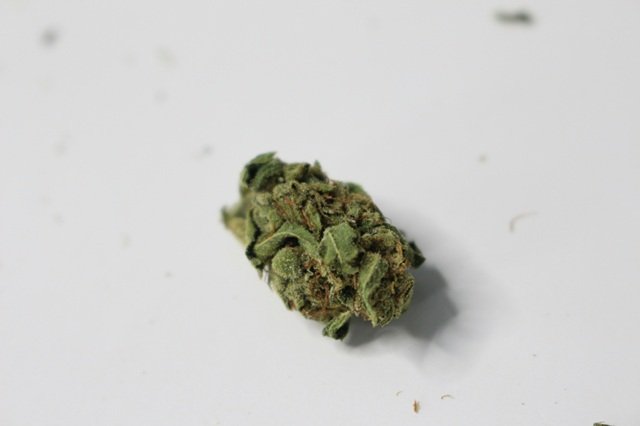
THCA, or tetrahydrocannabinolic acid, is one of the major acidic cannabinoids found in cannabis.
Fresh cannabis contains significant amounts of THCA rather than THC. When heat is applied, the molecule loses a carboxyl group through a process called decarboxylation, producing THC. This happens during smoking, vaping, and cooking.
Does THCA Get You High?
Raw THCA is generally considered non-intoxicating. However, that changes when THCA is heated.
Smoking or vaporizing THCA-rich cannabis can convert much of the THCA into THC, which means the resulting experience can be psychoactive. Research examining simulated smoking has found that THCA can undergo essentially complete decarboxylation during the smoking process, although some cannabinoids are lost through combustion and other factors.
Is THCA Safe to Smoke?
If you’re asking “is THCA safe to smoke?”, the important distinction is that smoking THCA-rich cannabis is not the same as consuming raw THCA.
Heating THCA produces THC, so smoking a THCA product can produce intoxicating effects. In addition, combustion itself creates smoke and potentially harmful byproducts. Therefore, THCA should not be assumed to be risk-free simply because it is marketed as a “non-intoxicating” cannabinoid before heating.
For anyone considering inhaled cannabis, product testing, cannabinoid concentration, contaminants, and individual tolerance are important considerations.
What Is THCP?
THCP is short for tetrahydrocannabiphorol. Researchers first identified naturally occurring Δ9-THCP in Cannabis sativa in 2019.
Its molecular structure is similar to THC, but THCP has a longer seven-carbon side chain. In laboratory testing, this structural difference was associated with substantially stronger binding to human CB1 receptors than delta-9 THC.
That is why THCP has attracted so much attention in the cannabinoid market.
THCP Effects vs THCA Effects
The expected experience can be quite different.
Potential THCA Experience
Before heating, THCA is generally associated with a non-intoxicating profile. Research into THCA has investigated several possible biological properties, including interactions with inflammatory and neurological pathways, but much of the evidence remains preclinical.
Once heated, however, THCA becomes THC, so the effects can shift toward those traditionally associated with THC.
Potential THCP Experience
Because THCP interacts strongly with CB1 receptors, it may produce a more pronounced psychoactive experience than conventional THC at comparable amounts.
For that reason, products containing highly potent cannabinoids deserve particular attention to labeling, testing, and responsible use.
Potential Benefits of THCA and THCP
Cannabinoids continue to be investigated for a variety of potential applications, but it is important to separate scientific research from established medical benefits.
Potential areas of interest include:
- Cannabinoid receptor activity
- Neurological research
- Inflammatory pathways
- Psychoactive effects and their mechanisms
- Development of new cannabinoid-based products
- Understanding how cannabinoid structure influences potency
THCA has a broader research history than THCP, while THCP remains a newer area of cannabinoid science. Neither should be presented as a proven treatment for a medical condition based solely on preliminary research.
THCA vs THCP: Which One Is Stronger?
If your primary concern is potency, THCP is generally the cannabinoid that attracts the most attention.
The original THCP study found approximately 33-fold greater CB1 receptor binding affinity than delta-9 THC in the laboratory. However, this should not be interpreted as meaning that THCP creates a 33× stronger high in humans. Receptor affinity, dose, bioavailability, metabolism, and individual tolerance all affect the experience.
THCA is different because its intoxicating potential largely depends on whether it has been heated and converted into THC.
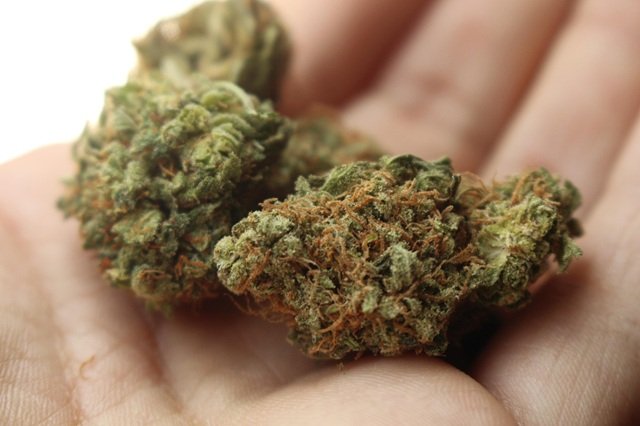
FAQs THCA vs THCP: Differences, Effects, Potency & More
Is THCP stronger than THCA?
They are difficult to compare directly because they behave differently. THCA is a precursor to THC and becomes intoxicating primarily after heating. THCP is itself an intoxicating cannabinoid with strong CB1 receptor affinity.
Does THCA turn into THC when you smoke it?
Yes. Heat promotes decarboxylation, converting THCA into THC. Smoking and vaporization can therefore make THCA-rich cannabis psychoactive.
Is THCA safe to smoke?
Smoking THCA-rich cannabis can expose you to THC because heat converts THCA into THC. More broadly, smoking cannabis involves combustion and exposure to smoke, so “THCA” should not automatically be interpreted as “risk-free.”
Will THCP get you high?
THCP is considered psychoactive and has demonstrated THC-like activity in preclinical research. Because human research remains limited, the intensity and duration of effects can vary and should not be predicted solely from laboratory receptor-binding data.