Table of Contents
What is THCV, and what does it mean when those four letters appear on a cannabis package? THCV stands for tetrahydrocannabivarin, a cannabinoid found in the cannabis plant. Its name looks a lot like THC, but the two are different compounds. That distinction matters when you are comparing products, reading potency information, or trying to understand a brand’s claims.
THCV has attracted attention for its possible effects on appetite and metabolism. Human research remains limited, however, and a label that says “THCV” cannot tell you how a product will feel. The more useful questions are: How much THCV does this serving contain? What other cannabinoids are present? And does the test result match the product you are buying?
What Is THCV, and How Is It Different From THC?
THCV is a naturally occurring cannabinoid with a chemical structure related to delta-9 THC. Researchers study it as a separate compound because a similar name does not mean identical behavior in the body. Human studies have examined THCV at specific doses and in controlled settings, but they do not establish a predictable experience for every product sold in a dispensary.
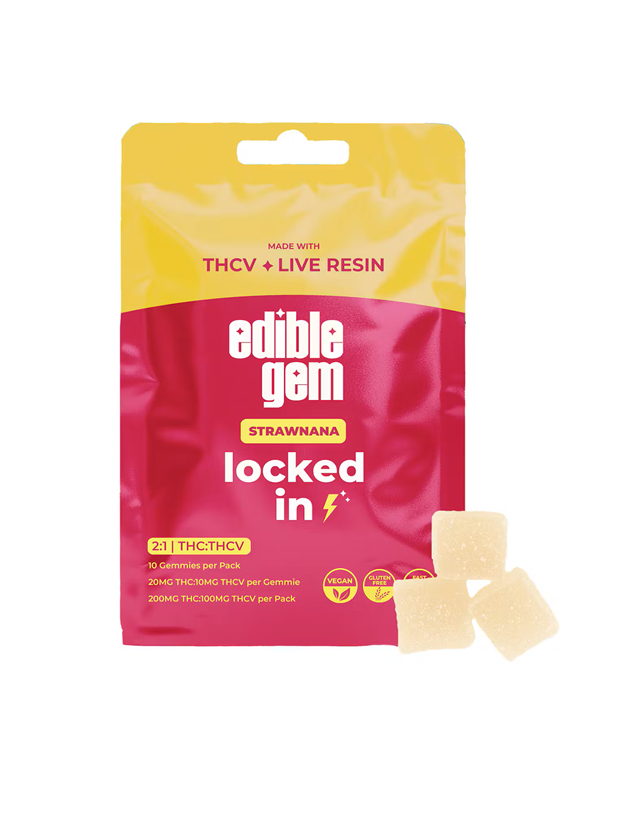
A product may contain both THCV and THC. If it does, its THC content remains an important consideration: THC can cause impairment, regardless of whether THCV appears on the package. Avoid assuming that a product marketed around one minor cannabinoid contains little THC.
THCV, THC, THCA, and CBD at a glance
| Cannabinoid | What the abbreviation means | What to remember when reading a label |
|---|---|---|
| THCV | Tetrahydrocannabivarin | Look for its measured amount, not just its name in the product description. |
| THC | Tetrahydrocannabinol | Check the amount per serving and per package, particularly for edibles. |
| THCA | Tetrahydrocannabinolic acid | Heat can convert THCA into THC; raw and heated products should not be interpreted the same way. |
| CBD | Cannabidiol | Its presence does not erase the effects of THC in a mixed product. |
THCA is especially easy to confuse with THCV because the abbreviations differ by one letter. THCA is a precursor that can convert to THC when heated; THCV is a different cannabinoid.
What Does Research Say About the THCV Cannabinoid?
THCV is sometimes called “diet weed,” but human evidence does not establish it as an appetite suppressant. In a 13-week randomized pilot study involving 62 adults with type 2 diabetes across five groups, researchers found no significant change in reported appetite or body weight in any treatment group. The study used controlled formulations, so its findings cannot predict the effects of a retail gummy, vape, or flower containing multiple cannabinoids.
Will THCV make you feel high?
There is no dependable yes-or-no answer for every THCV product. Research suggests THCV differs from THC in its effects at studied doses, while evidence on THCV across doses and formulations is still developing. More importantly, a product advertised as THCV may also contain intoxicating THC. Read the complete cannabinoid information and treat an unfamiliar formulation cautiously.
How to Read a Cannabis Label That Mentions THCV
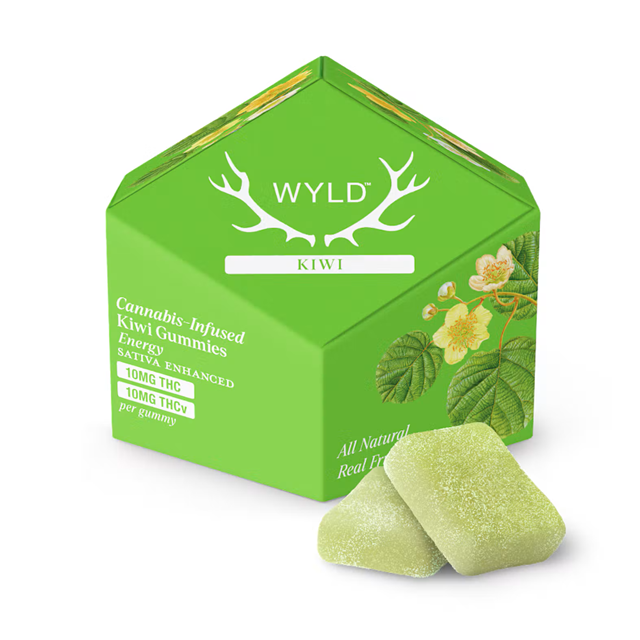
The front of a package is designed to be noticed. The detailed label and available batch-specific laboratory information are where you can assess what the product contains.
Before buying, check:
- THCV amount: Is it actually quantified, or does THCV appear only in the marketing copy?
- THC amount: For a mixed product, note the THC per serving and total THC in the package.
- Serving size: A package total is different from the amount in one gummy or other stated serving.
- Product format: Flower, edibles, and vapes have different use patterns; a cannabinoid percentage is not interchangeable with milligrams per serving.
- Batch information: Match the product to its available testing information instead of relying on a general description of the brand.
If a label does not give you enough information to make sense of a THCV claim, ask the retailer for clarification. Michigan’s cannabis testing rules address cannabinoid potency reporting, but the cannabinoids shown to shoppers and the way amounts appear can depend on the product and its documentation.
Why percentages and milligrams need context
A percentage describes concentration; milligrams describe an amount. Neither number explains the entire product on its own. When comparing two edibles, use the same basis—such as milligrams per serving—and check how many servings each package contains. When comparing flower, review its cannabinoid profile alongside the product type and batch results.
That habit helps you avoid a common mistake: choosing a product because “THCV” is prominent on the front while overlooking a much larger amount of THC elsewhere on the label.
Benefits of Understanding Cannabinoid Labels
Learning to read beyond the product name gives you a better way to compare choices. You can identify which cannabinoid is being highlighted, see whether its amount is disclosed, and ask more specific questions before purchase.
It also helps separate research findings from advertising claims. If a product is described as promoting focus, reducing appetite, or providing another specific effect, you can recognize that the claim is not guaranteed by the presence of THCV. The label gives you a starting point for an informed choice; it cannot predict your individual response.
Frequently Asked Questions About THCV
Is THCV the same as THC?
No. THCV and THC are related cannabinoids, but they are distinct compounds. Do not use the amount of one as a substitute for the amount of the other.
Is THCV the same as THCA?
No. THCA is an acidic precursor that can convert into THC with heat. THCV is a separate cannabinoid with a different abbreviation and research profile.
Does THCV suppress appetite?
It has been studied for possible effects on appetite and metabolism, but human evidence is limited. A product containing THCV should not be presented as a proven appetite suppressant or weight-loss treatment.
Can a THCV product also contain THC?
Yes. Check the complete cannabinoid label. A prominent THCV claim does not mean the product is free of THC or impairment risk.